If you have a 6.6kW solar system and no battery, your bill follows a predictable pattern. Through the middle of the day the array produces more than the house can use, and the surplus goes to the grid for a feed-in tariff that is now only a few cents per kilowatt hour. By evening, when the household actually draws its heaviest load, that cheap electricity is gone and every kilowatt comes back at peak rates.
A battery closes that gap by holding the daytime surplus for evening use. The question is how much capacity to buy — and in 2026 the answer is different from what it was a year ago, because the federal rebate is now banded by capacity. Pick the wrong size and you can lose thousands of dollars in support for capacity you never needed.
For most homes in Brisbane, the Gold Coast and Ipswich running a 6.6kW system, the sweet spot is between 10 and 14 kWh. The rest of this article shows you the arithmetic behind that number, and when your household is the exception.
How much a 6.6kW system can actually put into a battery
A 6.6kW system in South East Queensland produces roughly 26 to 29 kWh per day as an annual average, higher through summer and lower in winter. A three to four person household typically uses 15 to 25 kWh a day, and most of that consumption happens in the morning and evening rather than at midday.
That leaves a meaningful surplus available to charge a battery — but only if the battery is sized to the evening load, not to the total daily generation. A battery larger than the house can empty overnight simply sits full by mid-morning and stops absorbing anything for the rest of the day. In winter, when daily output can fall to half the summer figure, an oversized battery may never reach full charge at all.
The practical rule: size the battery to your evening consumption, not your daily consumption.
Why 14 kWh is the dividing line in 2026
Two changes to the federal Cheaper Home Batteries program took effect on 1 May 2026, and both push the economics in the same direction:
- The rebate factor fell from 8.4 to 6.8. That works out to roughly $258 of support per kWh of capacity in the first band. Any article still quoting $333 per kWh is using the old factor.
- Support is now banded by capacity. The first 14 kWh is supported at the full rate, capacity between 14 and 28 kWh at 60%, capacity between 28 and 50 kWh at 15%, and anything above 50 kWh receives nothing.
This is why a 16 kWh battery does not attract 16 times the per-kWh figure. The first 14 kWh is supported at the full rate and the remaining 2 kWh at a reduced rate — roughly $3,900 in total rather than $4,100. The further past 14 kWh you go, the lower your effective support per kilowatt hour becomes.
The result is that the “go as big as you can” advice that made sense in 2025 no longer stacks up. The rebate design is deliberately pulling the sweet spot back towards enough capacity, kept under 14 kWh where possible.
Sizing the battery to your household
The reliable method is not to copy what a neighbour installed. It is to read the daily average usage figure on your electricity bill and match it to the table below.
| Daily usage | Household | Battery size | Notes |
|---|---|---|---|
| 10–15 kWh | 1–2 people, unit or small home | 5–10 kWh | The 6.6kW array may already be oversized for this household. Stay under 10 kWh. |
| 15–22 kWh | 3–4 people, detached home, no pool or EV | 10–14 kWh | The most common configuration. Keep it at or under 14 kWh to hold the full rebate band. |
| 22–30 kWh | 4–5 people, pool pump | 14–16 kWh | Slightly over 14 kWh is workable, but check what the discounted band does to the payback. |
| 30 kWh+ or an EV | Large household, electric vehicle, going all-electric | 16 kWh+, or 14 kWh now and expand later | Consider moving up to a 10kW array — a 6.6kW system may not refill a large battery in winter. |
A useful sanity check: estimate your household’s usage between 6pm and midnight from your smart meter data or the time-of-use breakdown on your bill. Your battery should cover roughly that figure plus a small margin, because the evening peak is precisely what the battery exists to serve.
What a battery costs in Brisbane
The figures below are market reference prices for 2026, installed and with the federal rebate already deducted. They are indicative only — actual pricing depends on inverter compatibility, mounting location and grid connection requirements.
| Configuration | Capacity | Reference price after rebate | Suits |
|---|---|---|---|
| Sungrow SBR096 | 9.6 kWh | from about $5,800 | Smaller homes with modest evening load |
| Mainstream 13–13.5 kWh unit | 13–13.5 kWh | about $8,000–$10,000 | 3–4 person household — the sweet spot |
| Sungrow SBR160 | 16 kWh | about $7,700–$9,500 | Higher-usage homes; lowest cost per kWh |
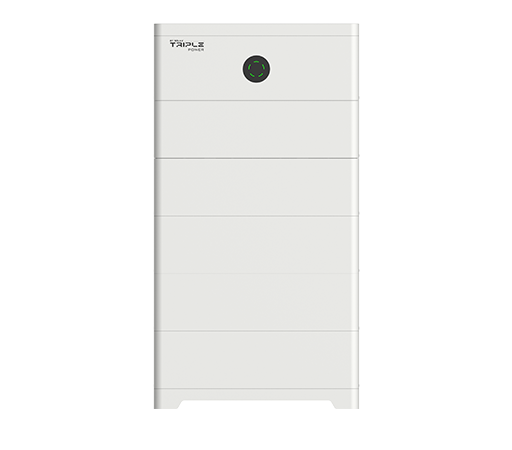
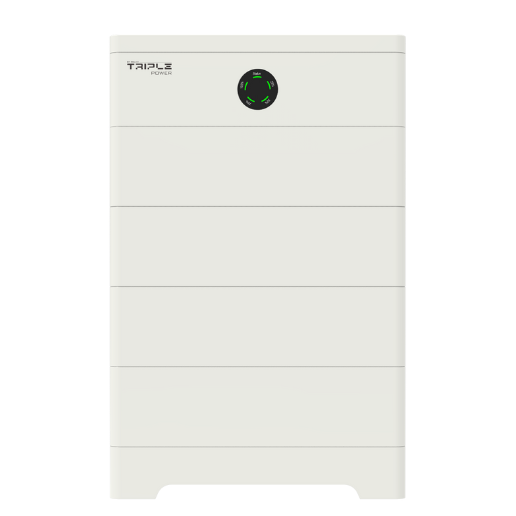
| SolaX Triple Power, entry configuration | 5.2 kWh, expandable | about $3,300–$5,200 | Tight budgets, planning to add modules later |
Two things worth noting. First, modular batteries such as Sungrow’s SBR range and SolaX Triple Power can be expanded later, so a smaller install now is a legitimate strategy rather than a compromise. Second, these are market reference prices, not quotes — your own figure will depend on the specifics of your property and existing equipment.
Battery now, or battery later?
If your evening electricity spend exceeds roughly $100 a month, a battery will typically pay for itself within six to nine years — inside its ten-year warranty period — and deliver free evening power for the years after that. Two timing factors matter, though:
- The rebate declines over time. The factor steps down on a set schedule, with a further reduction due at the start of 2027. The same battery costs more the longer you wait.
- The inverter has to be battery-ready. If you intend to add storage later, choose a hybrid inverter when the solar system is installed. Retrofitting a battery to a standard string inverter means replacing the inverter as well, which adds $2,500 to $3,500 to the project.
Three mistakes that cost money
Mistake one — comparing nameplate capacity instead of usable capacity. Some batteries advertise 16 kWh but make only 90% of that available, or less. Compare the usable figure.
Mistake two — ignoring inverter compatibility. A battery has to match the inverter. If another brand installed your existing solar system, confirm compatibility before budgeting, because the answer can change the whole project cost.
Mistake three — oversizing to chase the rebate. Capacity you never use is money spent on a wall ornament. The rebate is a discount, not income: spending an extra $4,000 to gain $1,000 of support is a backwards calculation.
Frequently asked questions
How big a battery can a 6.6kW system charge? Technically the limit is set by the inverter’s charge rate, and most 5kW hybrid inverters will manage 16 kWh or more. The real constraint is winter: a larger battery may not refill on short winter days, even though it works perfectly in summer.
Does a 13.5 kWh battery attract the full rebate? Yes. Capacity up to 14 kWh is supported at the full rate, so batteries sized at or just under 14 kWh capture the strongest support per kilowatt hour.
Can I add a battery to an existing solar system? Usually, yes. The rebate applies to the battery itself and does not require the solar system to be new, provided the battery is an eligible model installed by an accredited installer.
Is there a Queensland battery rebate as well? State-level programs change frequently, so confirm the position at the time you apply. The federal program is the layer that applies nationally and that you can plan around.
How long until a battery pays for itself? For a household with a meaningful evening load, six to nine years is a realistic range. Households with time-of-use tariffs and heavy evening usage recover their investment fastest.
Next step
To find out what size battery actually suits your home, send us your most recent electricity bill. The daily average usage and the tariff structure are both on it, and we will model the payback on three capacity options using your real numbers rather than a rule of thumb.