📞 1300 712 020 | Brisbane · Gold Coast · Ipswich
How Heavy Are Solar Panels? Will Your Roof Structure Cope?
By Leo · Updated September 2026 · 9 min read
One of the first questions Queensland homeowners ask us — usually while standing in the driveway looking up — is: “Is my roof even strong enough for solar?” It’s a fair question. A solar system isn’t light, and nobody wants a surprise sagging roof two years after installation.
The short version: solar panels are much lighter than most people think, and almost every modern Australian roof can carry a full residential system without reinforcement. But “almost” is doing some work in that sentence, so this guide gives you a complete weight checklist — with real numbers for LONGi panels from 425W up to 630W — plus a practical roof checklist so you know exactly what to look for.
In this guide
- Quick answer: how heavy are solar panels?
- LONGi solar panel weight checklist (by wattage)
- What does a whole system weigh?
- Will your roof cope? The 6-point checklist
- Tile roof vs metal roof
- When to get a professional inspection
1. Quick Answer: How Heavy Are Solar Panels?
Most residential solar panels weigh between 18 kg and 23 kg. Spread across your roof, a complete system adds roughly 10–17 kg per square metre (panels + mounting rails) — about the same as one adult standing on every two square metres of roof, and well within the design limits of Australian roofs under AS/NZS 1170.
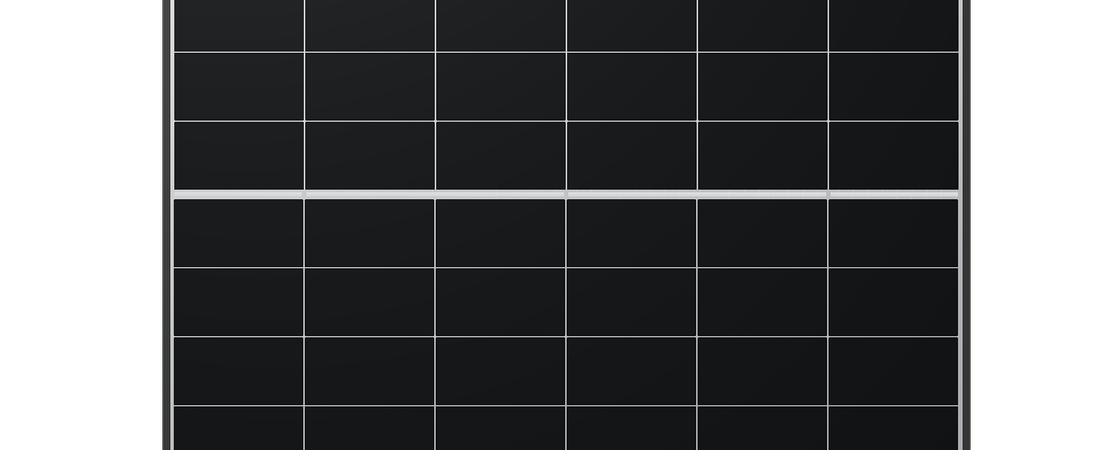
Panel weight mostly comes down to size: a compact 54-cell residential panel is lighter than a large-format 72-cell commercial panel. Glass thickness and single-glass vs glass-glass construction also matter — glass-glass panels are tougher but heavier.
2. LONGi Solar Panel Weight Checklist (By Wattage)
We install LONGi panels — one of the world’s largest and most bankable solar manufacturers (BloombergNEF Tier 1) — across Brisbane, the Gold Coast and Ipswich. Here’s the weight checklist across the LONGi range, from compact residential to large-format commercial:
| Brand | Series | Wattage | Weight | Dimensions (mm) | Weight per m² | Typical use |
|---|---|---|---|---|---|---|
| LONGi | Hi-MO X6 Explorer | 425W | ≈20.8 kg | 1722 × 1134 × 30 | ≈10.6 kg/m² | Residential rooftops |
| LONGi | Hi-MO X6 Explorer | 430W | ≈20.8 kg | 1722 × 1134 × 30 | ≈10.6 kg/m² | Residential rooftops |
| LONGi | Hi-MO X6 Explorer | 435W | ≈20.8 kg | 1722 × 1134 × 30 | ≈10.6 kg/m² | Residential rooftops |
| LONGi | Hi-MO X6 Explorer | 440W | 20.8 kg | 1722 × 1134 × 30 | 10.6 kg/m² | Residential rooftops |
| LONGi | Hi-MO X6 Explorer (glass-glass) | 440W | 22.5 kg | 1722 × 1134 × 30 | 11.5 kg/m² | Residential / coastal |
| LONGi | Hi-MO 5m | 545W | 27.5 kg | 2278 × 1134 × 35 | 10.6 kg/m² | Residential / commercial |
| LONGi | Hi-MO 5m | 550W | 27.5 kg | 2278 × 1134 × 35 | 10.6 kg/m² | Commercial rooftops |
| LONGi | Hi-MO 5m | 560W | 27.5 kg | 2278 × 1134 × 35 | 10.6 kg/m² | Commercial rooftops |
| LONGi | Hi-MO 9 (HBC) | 620W | ≈33.1 kg | 2382 × 1134 × 30 | ≈12.3 kg/m² | Commercial / ground mount |
| LONGi | Hi-MO 9 (HBC) | 630W | ≈33.1 kg | 2382 × 1134 × 30 | ≈12.3 kg/m² | Commercial / ground mount |
What this tells you: even LONGi’s biggest 630W panel is only about 33 kg — lighter than a bag of dog food and a carton of drinks. And notice that weight per square metre stays remarkably flat (~10–12 kg/m²) across the whole range, because bigger panels spread their extra weight over more area. Choosing a higher-wattage panel doesn’t meaningfully increase roof load — it actually reduces the number of panels and mounting points you need.
3. What Does a Whole System Weigh?
Panels are only part of it. Add mounting rails, clamps, brackets and the inverter. As a rule of thumb, racking adds roughly 3–5 kg per m². Here are realistic totals using LONGi Hi-MO X6 440W panels:
| System size | Panels | Panel weight | Racking + inverter (approx.) | Total | Roof area used | Overall load |
|---|---|---|---|---|---|---|
| 6.6 kW | 15 × 440W | 312 kg | ≈140 kg | ≈450 kg | ≈30 m² | ≈15 kg/m² |
| 10.56 kW | 24 × 440W | 499 kg | ≈220 kg | ≈720 kg | ≈48 m² | ≈15 kg/m² |
| 13.2 kW | 30 × 440W | 624 kg | ≈270 kg | ≈895 kg | ≈60 m² | ≈15 kg/m² |
🏠 Perspective: ≈15 kg/m² is less than a single layer of concrete roof tiles, and far below the structural design load Australian roofs are built to. Your roof already carries far heavier things — like a technician walking on it during a gutter clean (a person standing in one spot applies over 100 kg per 0.1 m²).
4. Will Your Roof Cope? The 6-Point Checklist
Load isn’t the only consideration. Run through this checklist before signing any solar contract:
- Roof age and condition. A well-maintained tile or Colorbond roof under 30 years old almost never needs reinforcement. Panels also shield the section of roof they cover from UV and hail.
- No active leaks or sagging. Water damage, rotten battens or visible dips need fixing before panels go up — not after.
- Rafter/batten spacing is standard. Installers fix brackets to rafters or battens, spreading load across many fixing points. Modern Queensland framing handles this easily.
- Mounting distributes — not concentrates — weight. Good rail systems spread the load across the roof plane. This is why total system weight matters less than per-square-metre load.
- Wind uplift is the real engineering question. In cyclone-affected and high-wind zones, it’s upward force (uplift), not downward weight, that matters. Quality systems like the ones we install are tested to 5400 Pa front / 2400 Pa rear static load.
- Your installer does a structural check — every time. Any CEC-accredited installer should assess your roof structure during the site inspection and flag anything unusual before installation day.
- Older homes (pre-1980s) with original tiles — brittle tiles can crack under foot traffic during install; a roofer may recommend re-battening first.
- Visible corrosion on metal roofs — rusted sheeting around fixing points should be replaced before mounting brackets go in.
- Past termite damage or DIY extensions — non-standard framing deserves an engineer’s look. It’s a ~$300–500 check that protects a $10,000+ investment.
- Planning a second storey or battery + panel combo later? Mention it now so mounting points are planned sensibly.
5. Tile Roof vs Metal Roof
| Concrete / terracotta tile | Colorbond / corrugated metal | |
|---|---|---|
| Typical existing roof load | ≈40–55 kg/m² | ≈5–10 kg/m² |
| Solar adds | ≈10–15 kg/m² (a modest increase on an already heavy roof) | ≈10–15 kg/m² (still light overall) |
| Structural concern level | Low — tiles are designed for heavy loads | Low — brackets fix directly to purlins/rafters |
| Watch out for | Brittle old tiles during install | Corrosion at fixing points on older sheets |
Bottom line: both roof types cope comfortably with a LONGi panel system. The differences are in installation technique, not structural capacity.
6. When to Get a Professional Inspection
If any of these describe your home, book a structural inspection before installation:
- Your home is 50+ years old with the original roof structure
- You can see sagging lines along the roof ridge from the street
- The ceiling has new cracks or the roof feels “spongy” in the attic
- You’re installing a large system (13 kW+) plus a home battery
- A previous owner did unapproved structural modifications
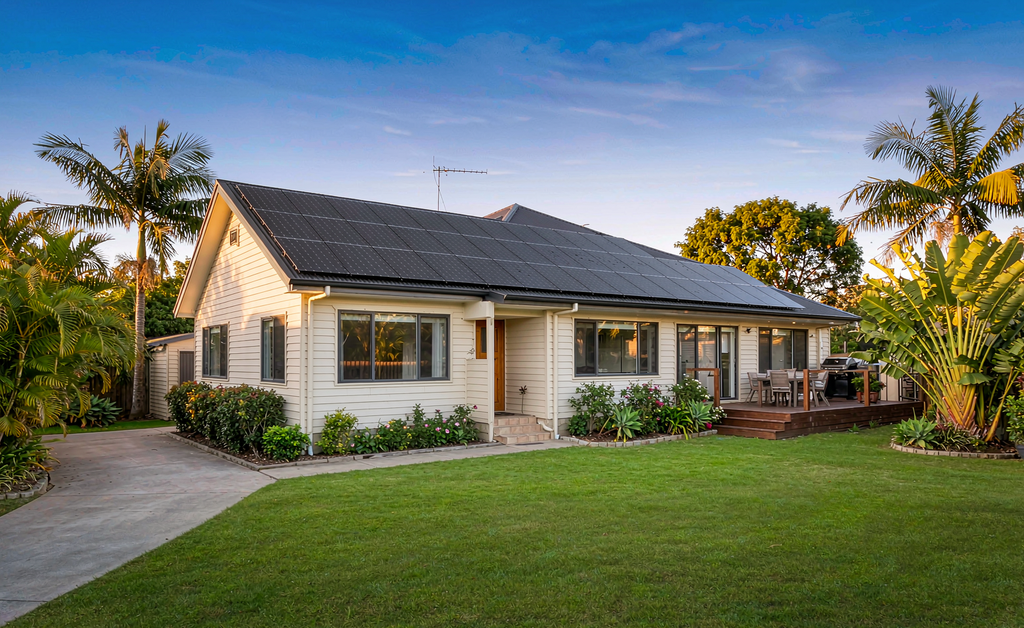
For everyone else, a standard pre-installation site inspection by an accredited installer covers it. At Solar Time Energy, we check roof condition, framing type, and load spread on every single job — and if your roof needs attention first, we’ll tell you honestly rather than sell you a system.
Not Sure If Your Roof Can Take Solar?
Get a free roof assessment and a fixed quote on a LONGi system sized for your home. We service Brisbane, the Gold Coast and Ipswich.Call 1300 712 020 Request a Free Quote Online
Frequently Asked Questions
Do heavier solar panels last longer?
Not necessarily. Weight usually reflects glass thickness and construction (glass-glass vs glass-backsheet), not durability quality. A 20.8 kg LONGi Hi-MO X6 and a 22.5 kg glass-glass version carry the same 25–30 year performance warranty.
Will solar panels overload my ceiling or walls?
No. The panel load transfers through rails and brackets directly into the roof frame (rafters/trusses), not your ceiling. Ceilings are completely unaffected.
Can I put solar on an old asbestos roof?
We don’t recommend it. Asbestos cement sheeting becomes brittle with age and can’t safely take fixing points. Replace the roof first — many homeowners do this as part of their solar project.
Is 440W or 550W better for a home roof?
For most Queensland homes, LONGi Hi-MO X6 425–440W panels are the sweet spot: compact, lighter to handle, and easier to fit around roof obstacles. The 545W+ panels suit larger commercial roofs where fewer, bigger panels save labour.