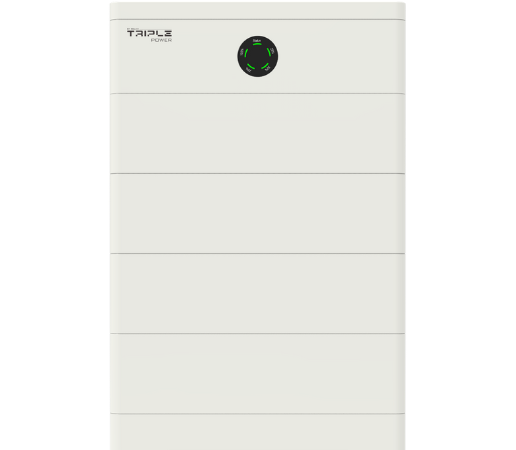
Yes — solar batteries are genuinely getting cheaper in 2026, and government rebates are cutting thousands more off the sticker price. But there’s a catch most articles won’t tell you: the federal rebate itself is shrinking every six months, which changes the “wait or buy now” maths.
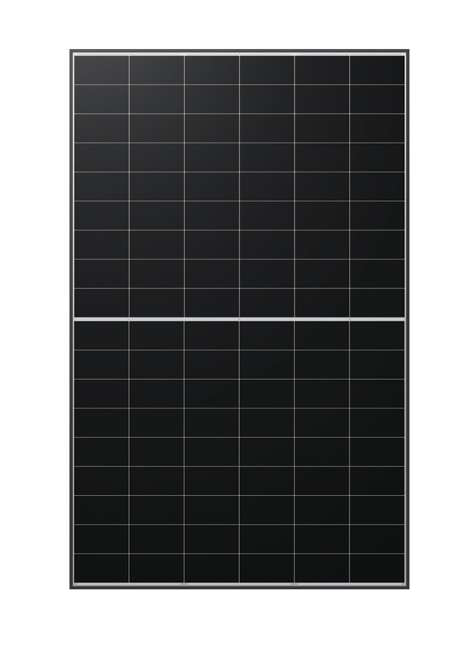
6.6kW
Quick answer: A typical 10 kWh home battery in Australia now costs around $9,000–$12,000 installed before incentives — down from roughly $15,000+ two years ago. The federal Cheaper Home Batteries Program takes a further ~25–30% off as an upfront discount, so most Brisbane homeowners pay somewhere in the $7,000–$9,500 range out of pocket for a quality 10 kWh system. Battery hardware prices are falling steadily, but the rebate is falling faster — the rate dropped in May 2026 and steps down again on 1 January 2027.
At Solar Time Energy, we install batteries across Brisbane, Ipswich and the Gold Coast every week, and we’ve watched the numbers move in real time. Here’s an honest breakdown of what’s actually happening to prices — and whether you should wait.
What’s Driving Battery Prices Down?
Three things are pushing home battery costs lower in 2026:
- Cheaper battery cells. Global lithium battery pack prices have fallen year after year as manufacturing scale (especially LFP chemistry) ramps up. The same 10 kWh of storage that cost a fortune in 2022 costs dramatically less today.
- More competition. Tesla Powerwall 3, Sungrow, BYD, AlphaESS, Enphase and Sigenergy are all fighting for the Australian market. That competition keeps installer margins honest.
- The federal rebate itself. The Cheaper Home Batteries Program, launched July 2025, delivers roughly a 25–30% upfront discount via STCs. It’s applied at the point of sale by your installer — no paperwork for you.
What Does a Home Battery Actually Cost in 2026?
Typical installed price ranges in Australia right now (before the federal rebate):
| Battery Size | Typical Installed Price (before rebate) | Who It Suits |
|---|---|---|
| 5–8 kWh | $6,000 – $10,000 | Small homes, evening self-consumption |
| 10–13.5 kWh | $9,000 – $13,500 | Most families with a 6.6–10 kW solar system |
| 15–20 kWh | $14,000 – $20,000 | Larger homes, high usage, blackout protection |
After the federal discount, a 10 kWh battery typically lands around $7,000–$9,500 installed. A 13.5 kWh Tesla Powerwall 3 currently attracts roughly $3,600 off, depending on your installer and location.
The Catch: The Rebate Is Getting Smaller
Here’s the part most people miss. The rebate is designed to taper as battery prices fall. Since 1 May 2026 it pays roughly $272 per usable kWh (down from $372 when it launched), and it now steps down every six months:
| Installation Period | Approx. Rebate per kWh | 10 kWh Battery Gets |
|---|---|---|
| May – Dec 2026 | ~$272 | ~$2,700 |
| Jan – Jun 2027 | ~$228 | ~$2,280 |
| Jul – Dec 2027 | ~$208 | ~$2,080 |
| Jan – Jun 2028 | ~$184 | ~$1,840 |
Larger systems are also tiered: the full rate applies to the first 14 kWh, 60% of the rate to the next 14 kWh, and just 15% beyond 28 kWh. Bigger is no longer automatically better value — right-sizing your battery to your actual evening usage is.
So… Should You Wait for Prices to Fall Further?
This is the question everyone asks, and the honest answer is: for most households, waiting costs more than it saves.
Here’s the maths. Hardware prices are falling maybe 10–15% a year. The rebate is falling about 16% every six months. While you wait for a battery that’s $800 cheaper next year, the rebate may have dropped by $400–900 — and in the meantime you’ve paid another year of full electricity prices, often $1,500–$2,500 for a typical family on a time-of-use tariff.
The practical rule: if you have decent daytime solar production and meaningful evening electricity usage, installing in 2026 almost always beats waiting for 2027. If your usage is tiny or your solar system is undersized, sort the solar side first.
Are Panels Getting Cheaper Too?
Modestly. Quality tier-one panels (Jinko, LONGi, Seraphim and similar) have stabilised at historically low prices — the panel itself is now a small fraction of a total install cost. Labour, racking and compliance make up most of a solar quote these days. The bigger shift is batteries becoming the sensible add-on: panel prices have flattened, but battery economics are improving every quarter.
What This Means for Brisbane Homeowners
Queensland’s high sunlight and rising electricity tariffs make batteries work harder here than in southern states. A well-sized battery in Brisbane typically pays for itself in 6–9 years — faster if you join a Virtual Power Plant (VPP), which can shave another 12–18 months off payback through sign-up credits and bill savings.
Want real numbers for your home rather than national averages? Get a free battery quote from our Brisbane team — we’ll size it against your actual usage, check every rebate you’re eligible for, and show you the payback on paper before you commit.
Frequently Asked Questions
Are solar batteries getting cheaper in 2026?
Yes. Battery hardware prices continue to fall as global manufacturing scales up, and the federal rebate still knocks roughly 25–30% off the installed price. A typical 10 kWh system now costs $9,000–$12,000 installed before incentives, versus well over $15,000 a few years ago.
When will home batteries be affordable for average families?
For many families they already are. With the federal discount, a right-sized 10 kWh battery in Brisbane lands around $7,000–$9,500 and typically pays back in 6–9 years — within the battery’s 10-year warranty window. Joining a VPP can shorten that further.
Should I buy a battery now or wait for prices to drop?
For most households, now. The federal rebate steps down every six months (from ~$272/kWh in late 2026 to ~$228/kWh in early 2027), which largely cancels out the savings from waiting. Meanwhile, every month without a battery is a month of full electricity bills.
How much is the federal battery rebate in 2026?
After the 1 May 2026 change, roughly $272 per usable kWh of storage (about $2,700 on a 10 kWh battery), applied as an upfront discount by your installer. The rate is tiered for larger systems and decreases every six months.
Written by Leo — Solar Time Energy. We install solar and battery systems across Brisbane, Ipswich and the Gold Coast.